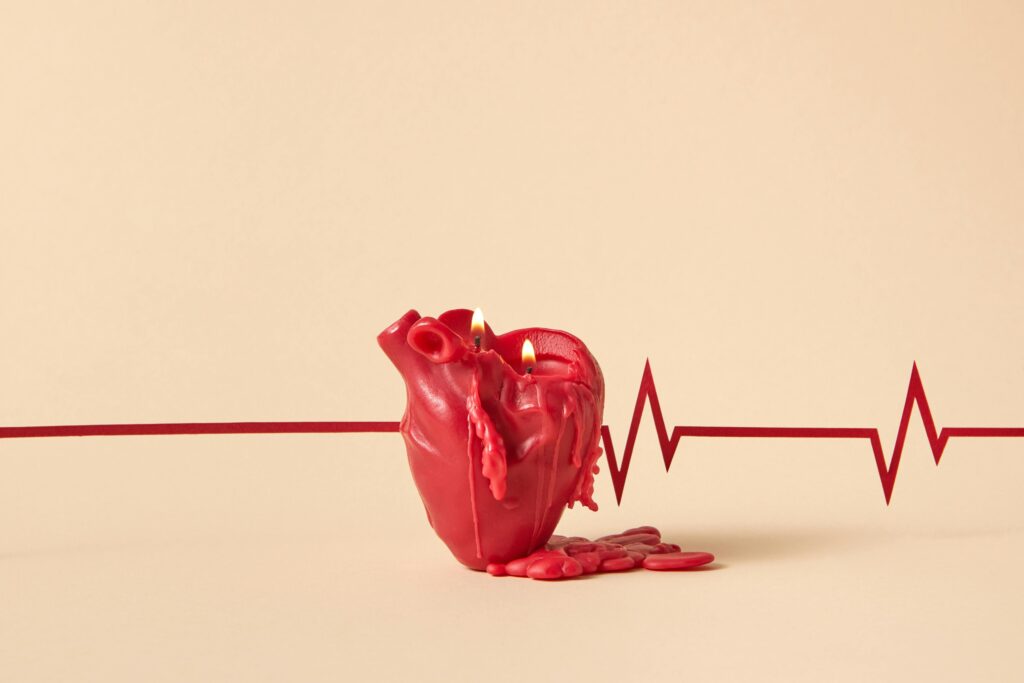
The heart is a muscular organ that functions as the body’s natural pump. It circulates blood through a complex network of arteries and veins, delivering oxygen and nutrients to tissues while removing carbon dioxide and waste products. The heart consists of four chambers—two atria and two ventricles—working in a synchronized rhythm. The right side of the heart pumps deoxygenated blood to the lungs via the pulmonary artery, while the left side delivers oxygen-rich blood to the body through the aorta. Valves between chambers ensure one-way flow and prevent backflow. This continuous loop is what sustains life, and disruptions can lead to cardiovascular disease, stroke, or heart failure.